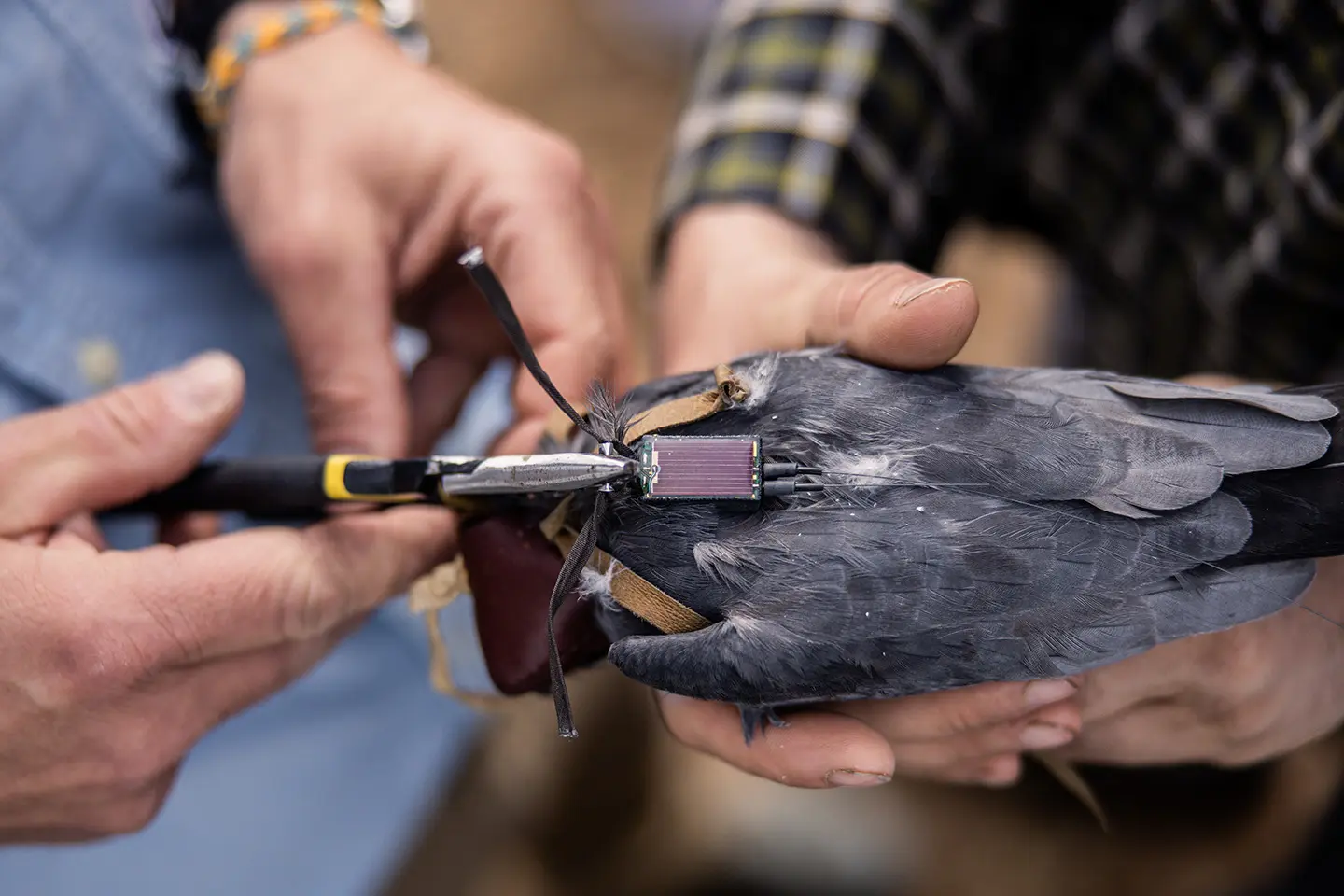
In the last weeks of September, Red-footed falcons depart from Europe to the southern parts of Africa, some deployed with tiny satellite transmitters to track their long journey.
Experienced adults are able to cross the Mediterranean and the Sahara in one non-stop 5-day flight.
After a short rest, the falcons then cross the Congo Basin and finally end their 8500 km long journey in Angola. First arriving individuals cover this incredible distance in as little as 16 days.
During wintering, flocks roam the Okavango Basin in search for the insect outbreaks – flying even more than during migration.
FALCOPOLIS is the place where they prepare for their return to the Eurasian breeding grounds.
A heaven for falcons and researchers alike.
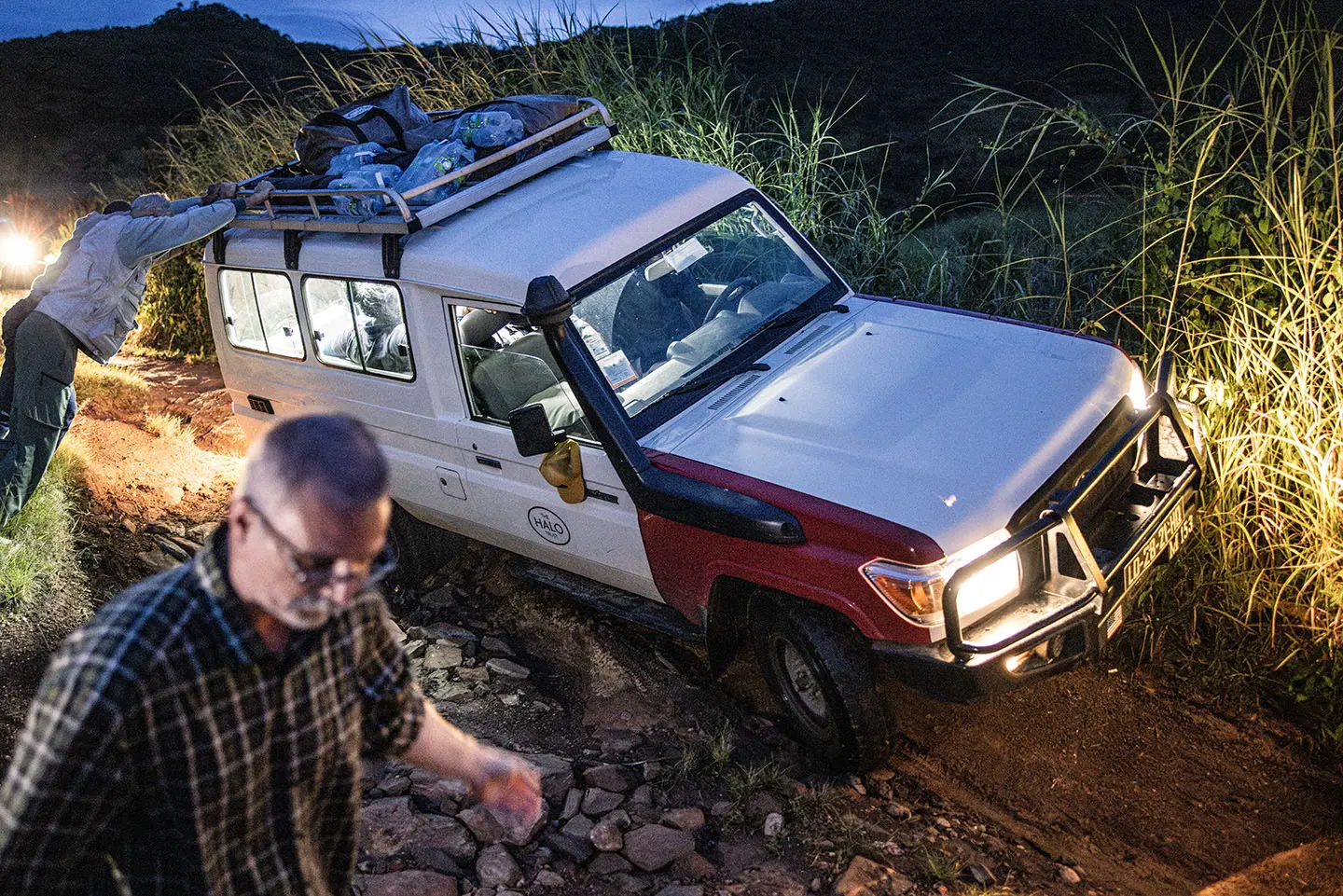
Even getting there was a challenge, taking nearly 10 years to organize the expedition to meet face-to-face with almost every Red-footed Falcon in the world.
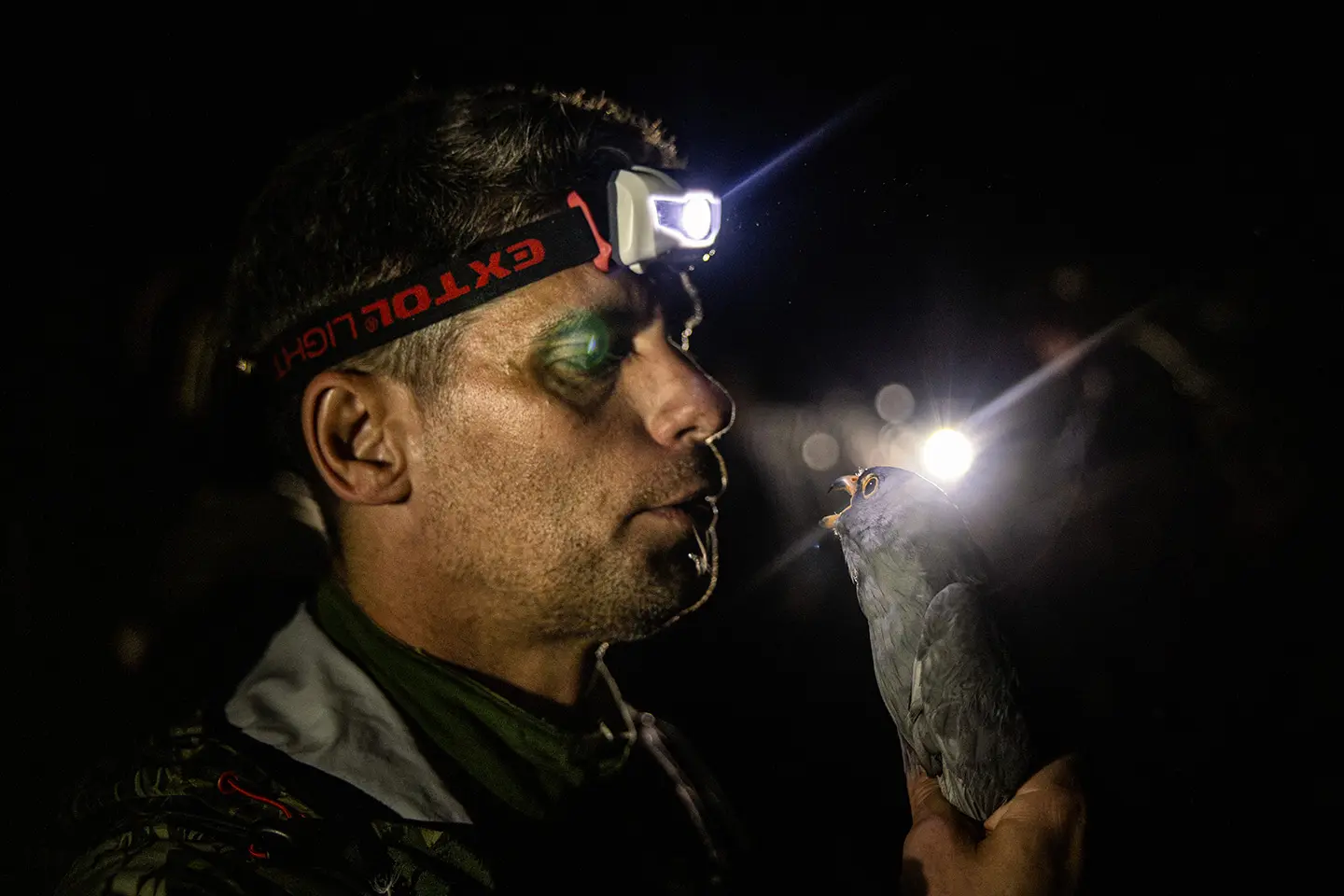
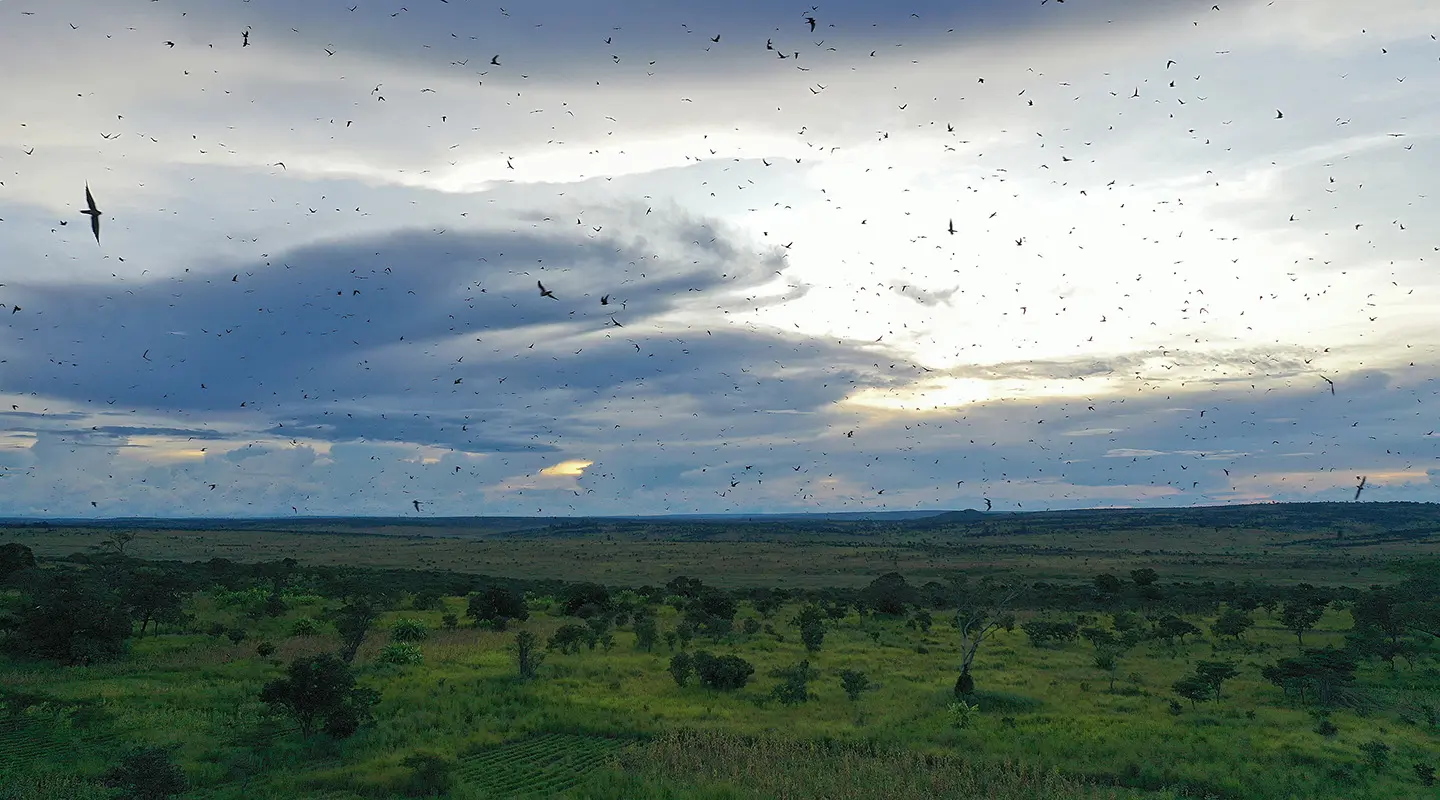
Red-footed falcons from every European meta-population are proven to roost in FALCOPOLIS each March. Researchers believe the number of birds might be up to 1 million. However, counting these vast numbers of roosting birds is challenging.
HOW MANY BIRDS ARE ON THIS PICTURE?
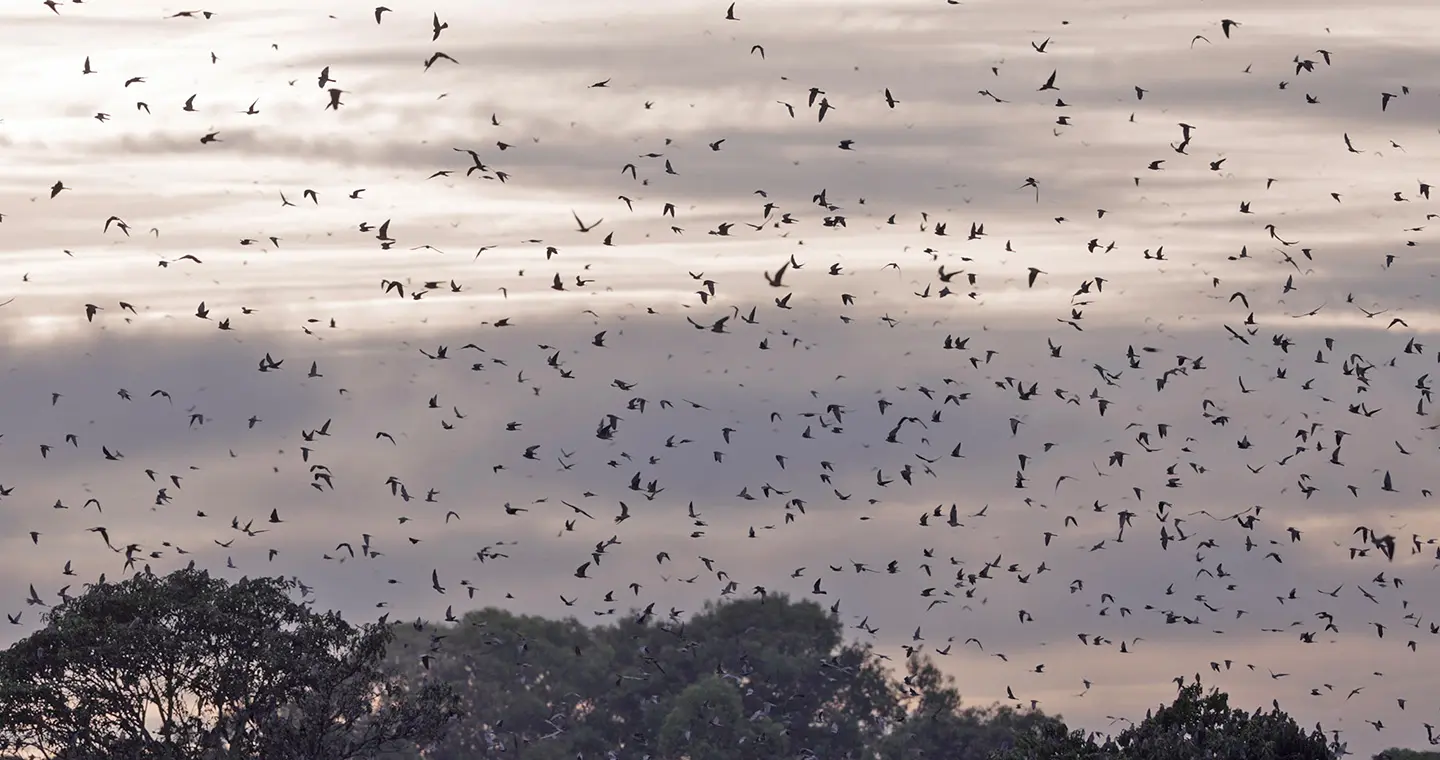
Looks easy, even with visual counting…
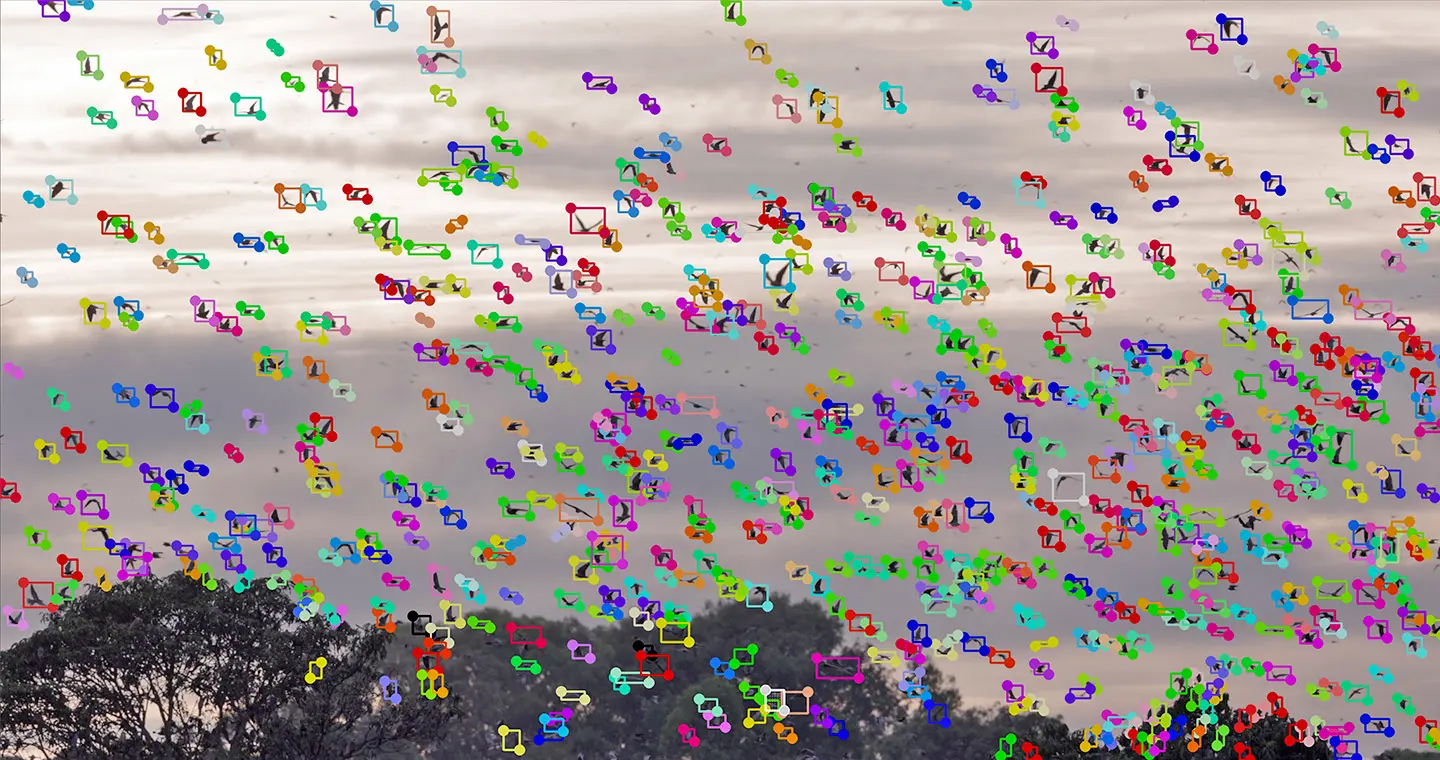
The AI found 724 Red-footed Falcons in this image, but there is still room for improvement. Distant and shaded birds or overlapping individuals still affect the accuracy.
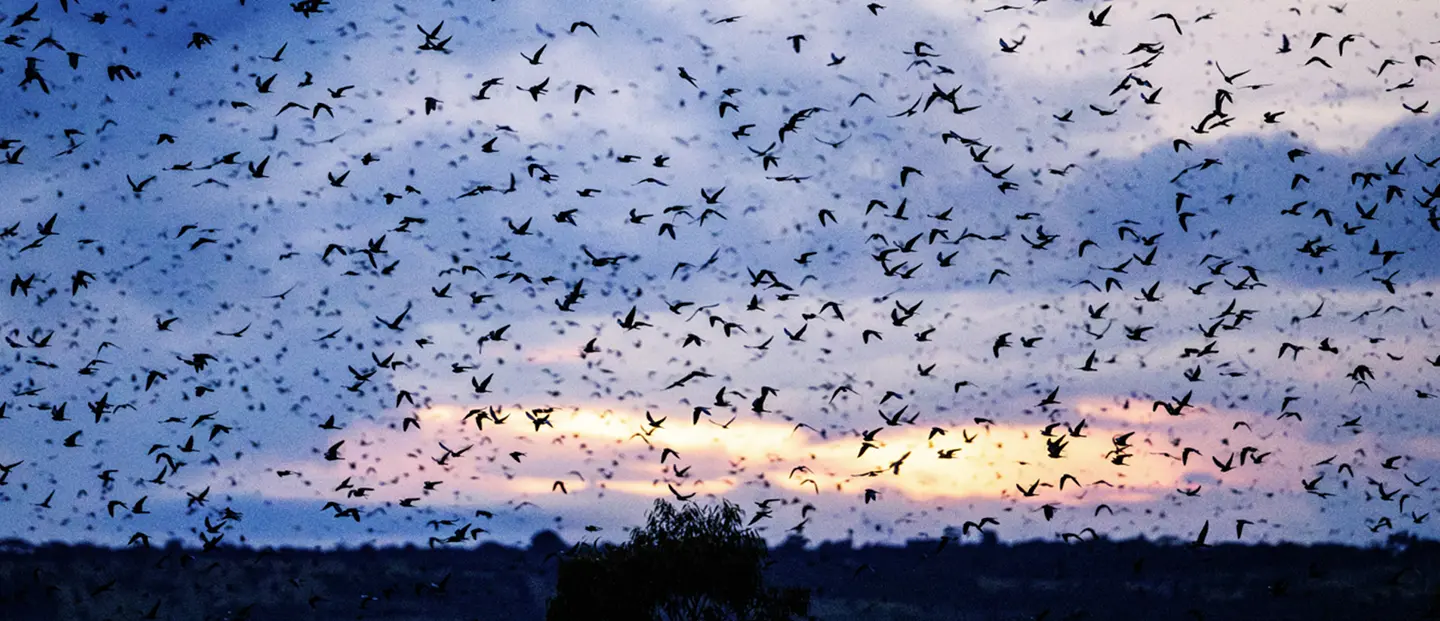
Thousands of falcons mess around in each flock, others are already sitting on the trees or just arrive later in the dark. Capturing representative images and videos is the major challenge in documenting the spectacle in FALCOPOLIS.
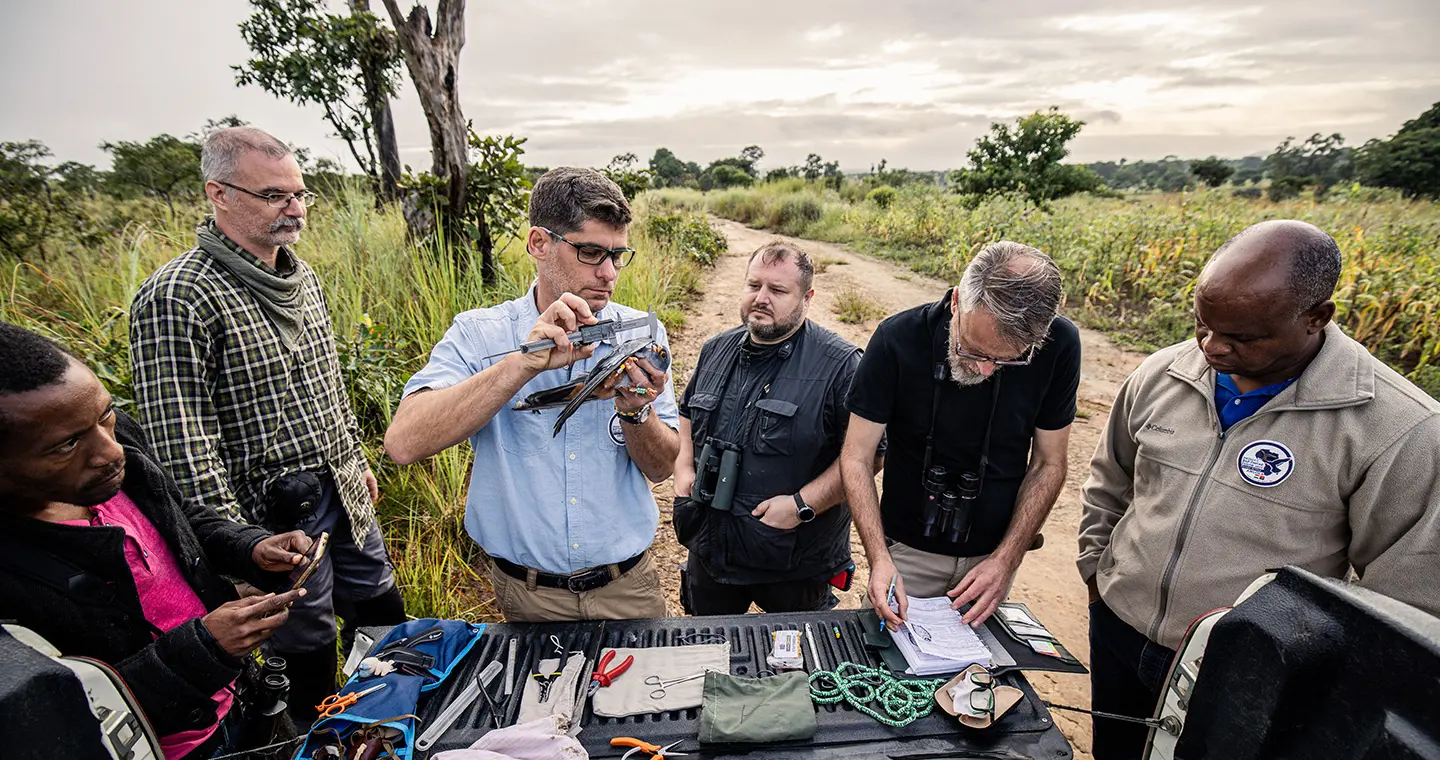
During a research expedition in 2023, Hungarian researchers captured and equipped 40 Red-footed Falcons with GPS transmitters to study their foraging behavior.
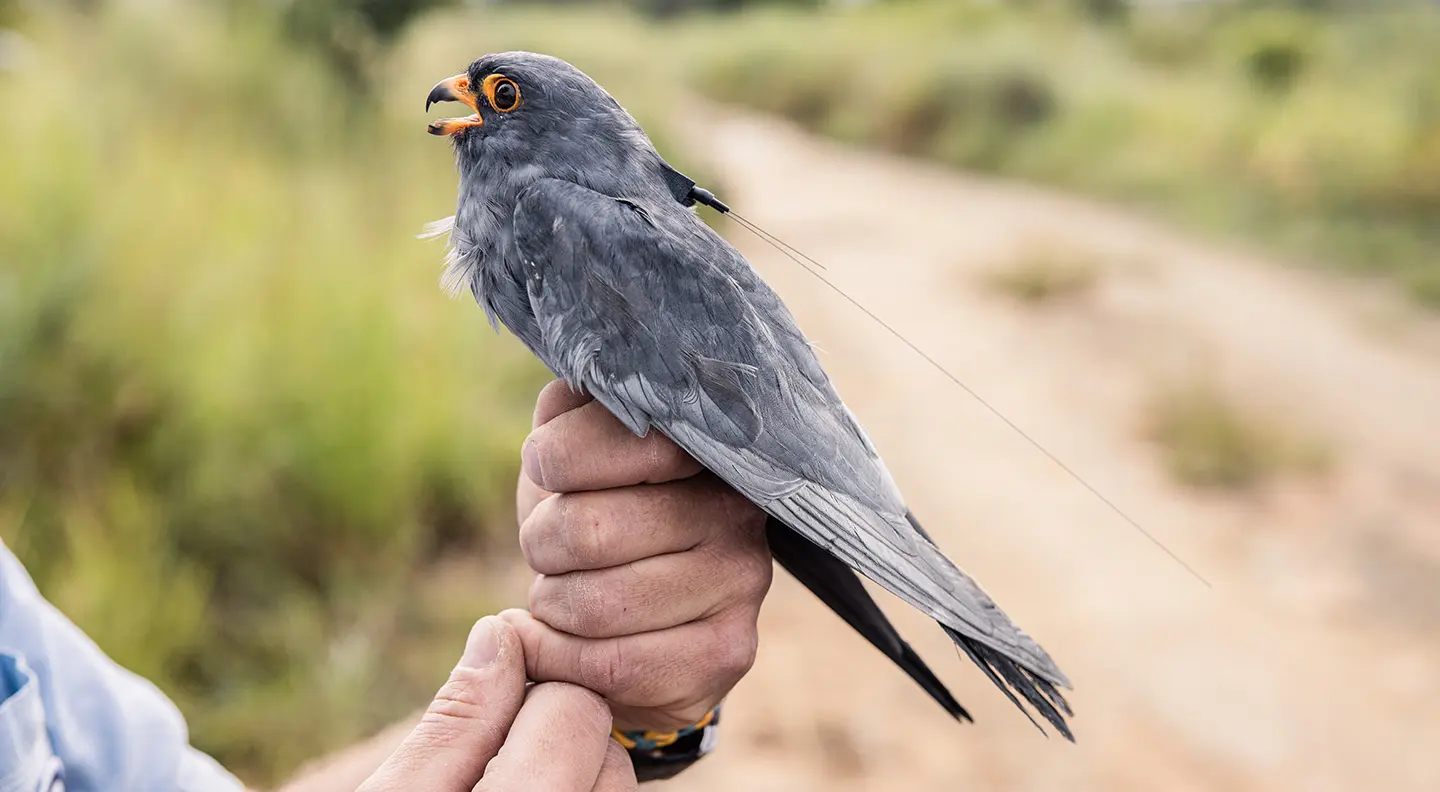
ICARUS GPS devices collected data from the birds’ localisations every two hours.
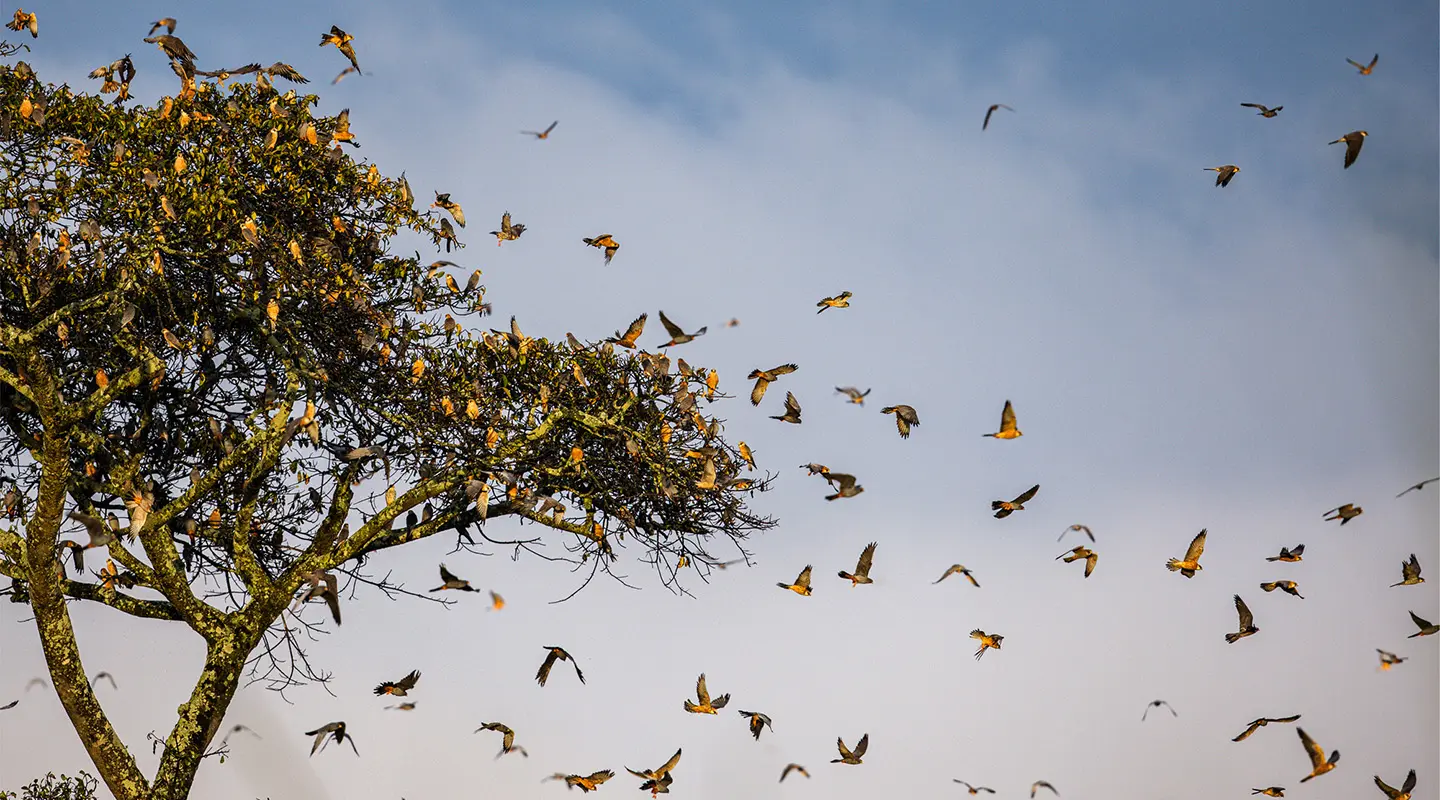
Falcons leave Falcopolis with the first thermals at dawn searching for swarming termites and literally stuff themselves to the bone with them.
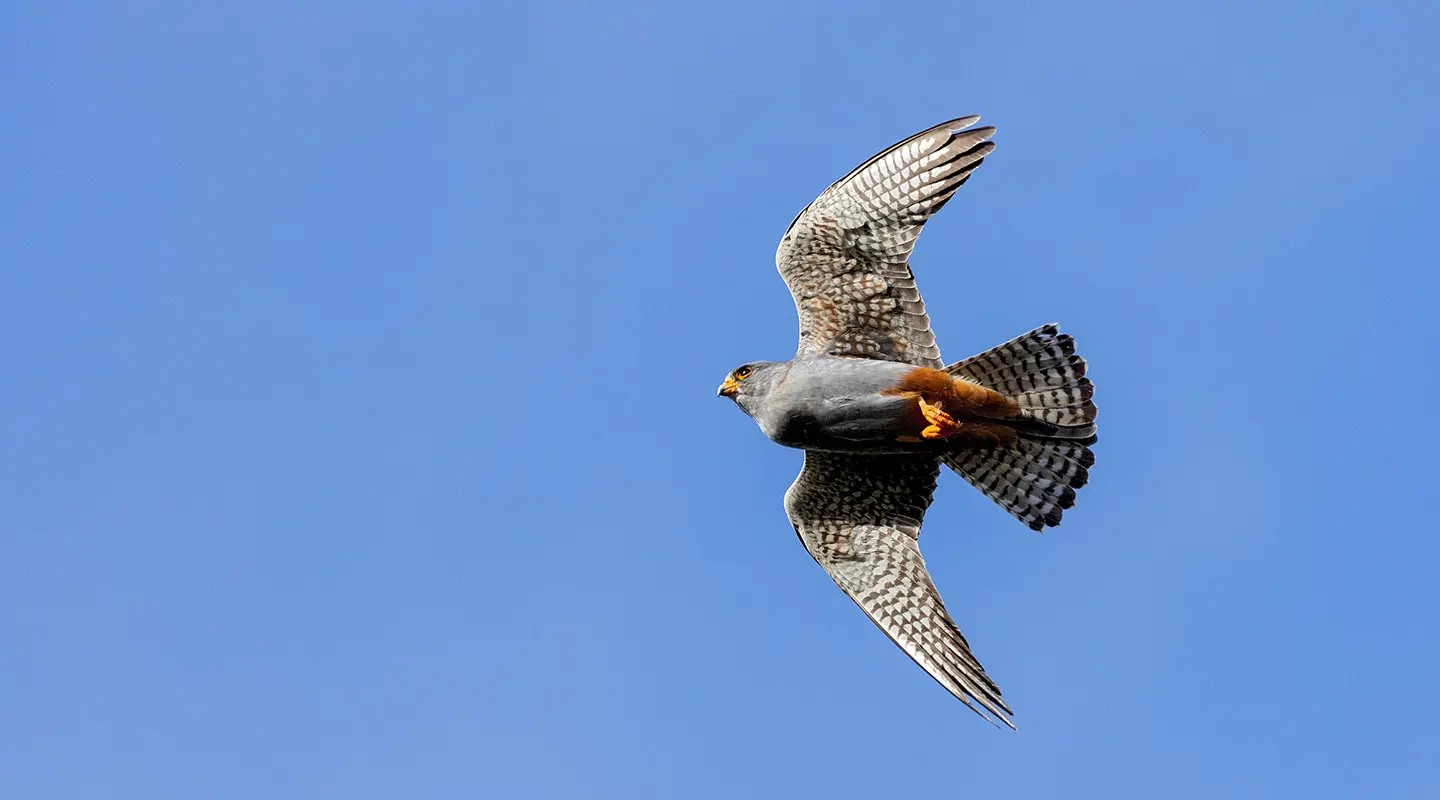
During wintering, the average body weight of the birds increases by 20-30% compared to the breeding season.
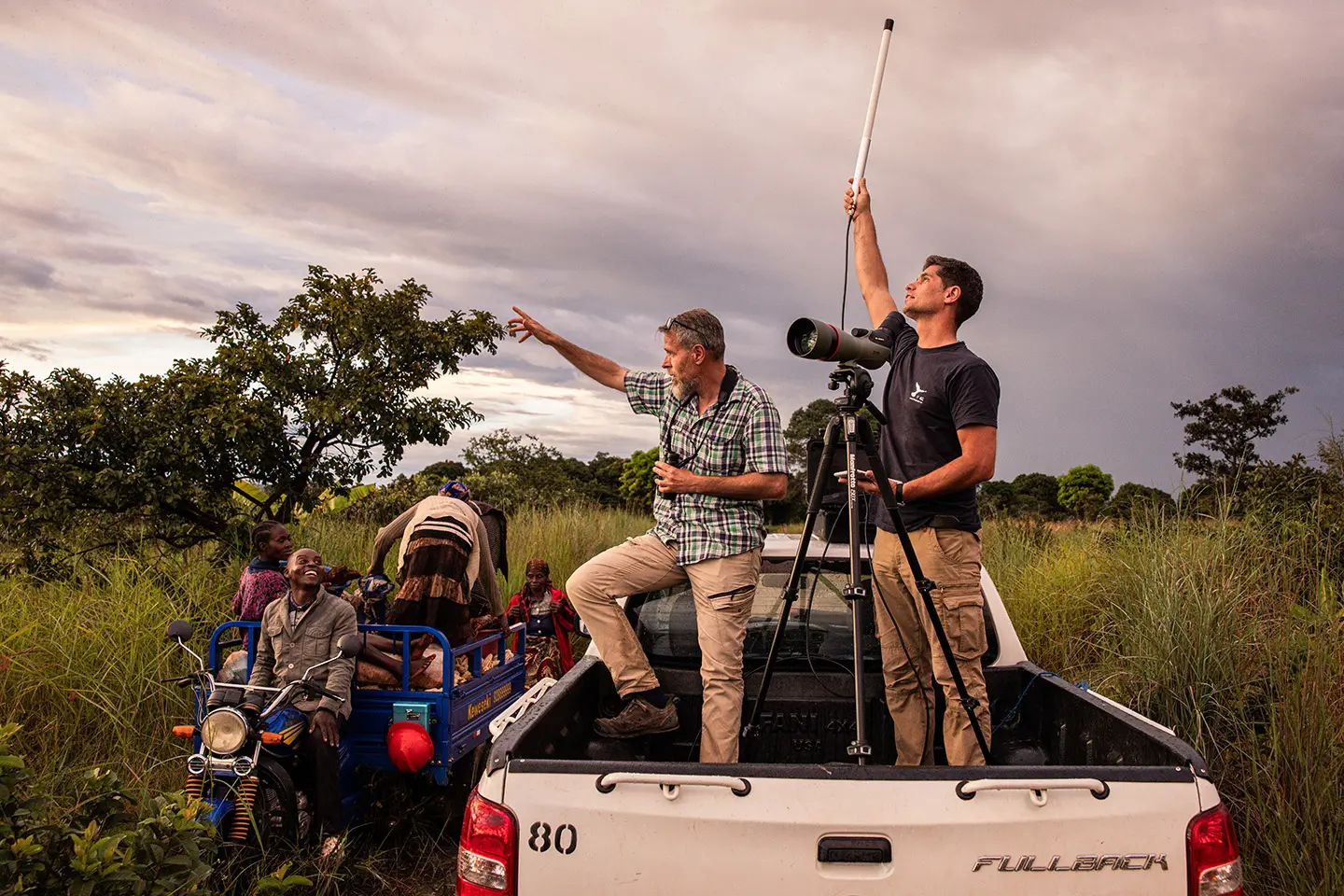
Downloaded data from the transmitters showed that falcons hunt in a 100 km radius, following a different route every day. The fat reserve allows them to successfully return to their breeding grounds in the northern hemisphere.